

A Guide to Dating a Xhosa Woman
February 1, 2026
The Dating Ultrasound Your Comprehensive Guide to Early Pregnancy
February 1, 2026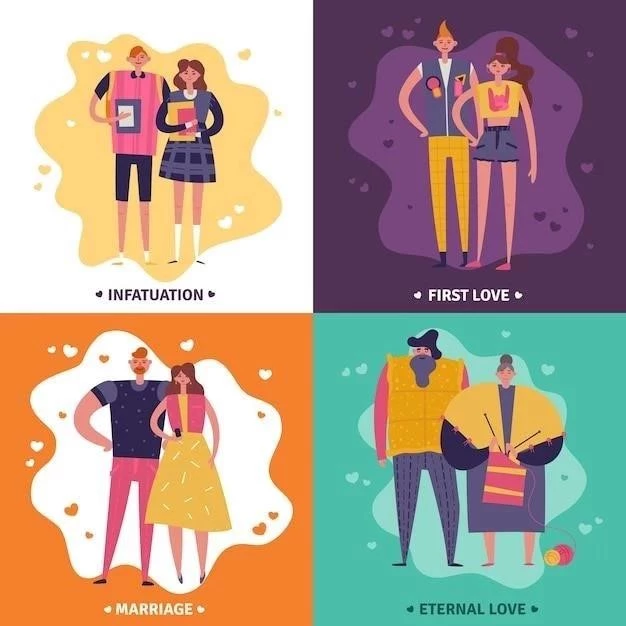
Dating is a multifaceted journey, encompassing diverse intentions, expectations, and commitment levels. Recognizing the primary types of dating aids individuals in navigating their romantic lives more effectively, setting clear boundaries, and finding compatible partners. This article explores four common categories of dating, each with distinct characteristics and objectives.
Casual Dating
Casual dating lacks long-term commitment, focusing instead on present enjoyment and lighthearted connection. Individuals typically seek companionship, fun, social interaction, and perhaps intimacy, entirely free from the pressures of building a serious, enduring relationship. It’s an excellent opportunity to explore different connections, learn more about oneself, and genuinely enjoy the dating experience without stringent future expectations.
- No exclusivity or future expectation.
- Flexibility to see multiple people.
- Emphasis on individual freedom.
- Communication on immediate plans.
- Ideal for exploring preferences or not ready for commitment.
Exclusive Dating
Exclusive dating significantly steps beyond casual encounters. Two individuals mutually agree to date only each other, signifying a higher level of commitment and focused interest. While showing stronger commitment, a defined long-term future isn’t necessarily established. It’s a phase to know each other deeply, assess compatibility, and build a foundation for a potentially serious, enduring relationship.
- Mutual agreement to cease dating others.
- Increased emotional investment and vulnerability.
- Focus on shared experiences and deeper bonding.
- Discussions may touch upon future aspirations.
- Often a testing ground for a viable serious relationship.
Serious/Committed Relationship Dating
This stage defines a clear intention to build a long-term, deeply committed partnership. Couples often move past initial discovery, actively integrating their lives and planning for a shared future. This involves candid discussions about shared finances, living arrangements, meeting families, and collectively planning for a future together. It requires significant effort, mutual compromise, and a shared vision for the relationship’s trajectory.
- Explicit commitment to a shared future.
- Integration into each other’s lives (friends, family, routines).
- Open communication on major life decisions.
- Mutual support and problem-solving.
- Often involves discussions about cohabitation, engagement, or marriage.
- High emotional interdependence and trust.
Dating with Intent (e.g., for Marriage/Family)
Dating with intent, particularly for marriage or family, is a highly purposeful and often accelerated form of dating. Individuals have a clear vision of their ultimate life partner and specific family goals. They approach dating with precise criteria, actively seeking alignment in values, life aspirations, and readiness for marriage or parenthood, rather than engaging in casual exploration without direction.
- Clear, articulated goal of finding a spouse or co-parent.
- Early screening for specific compatibility (values, faith, lifestyle, family goals).
- Less tolerance for ambiguity or prolonged casual phases.
- Conversations delve into serious topics (children, finances, future plans) relatively early.
- Motivation by desire to establish a stable, long-term family unit.
- Can involve specific platforms or communities tailored to this goal.
Understanding these four dating types—casual, exclusive, serious/committed, and intent-focused—empowers individuals to clarify their desires and communicate them effectively. Aligning expectations with one’s dating type often leads to more fulfilling experiences. Transparency about intentions is crucial for all healthy interactions.